

The 2026 Hospitality Reset: Why "Waiting it Out" is a Losing Strategy
I’ve spent years in the restaurant and catering world, and I’ve seen cycles come and go. But what we’re seeing in 2026 isn’t just another "down year." Whether you’re a winery watching your tasting room traffic stall or a bar seeing sales dip by 30%, the message is clear: The consumer hasn’t disappeared; they’ve evolved.
There’s a dangerous sentiment floating around industry circles right now. I hear it at every venue and networking event: "We just have to wait five years. The younger crowd will grow up and start drinking just like their parents."
Here’s the hard truth: They won’t. We are seeing a structural shift. With over 60% of Gen Z and Millennials actively seeking "functional" social experiences over traditional drinking, the old model is broken. If you’re waiting for the "good old days" to come back, you’re not just losing money—you’re losing relevance.
1. The Power of the "Dry Bar"
For years, the catering industry treated non-drinkers like an afterthought—a plastic cup of lukewarm soda or a splash of cranberry juice. At MamaD’sCatering, we are flipping the script. We are leading the industry by specializing in the Premium Dry Bar. Since we operate as an off-premise caterer, we’ve always been experts at the "logistics of the pour" without owning the liquor license. Now, we are using that expertise to build beverage programs that are so sophisticated, the alcohol becomes optional.
The Mindset Shift: A Dry Bar shouldn't be a "mock" version of something else. It should be a curated, complex, and high-end experience that stands on its own.
2. Beverage Theater: The Action Station
If alcohol sales are down, it’s because the "buzz" is no longer the primary goal—the experience is. This is where catering venues and off-premise experts have a massive opportunity. We don't just "serve drinks"; we provide Beverage Theater.
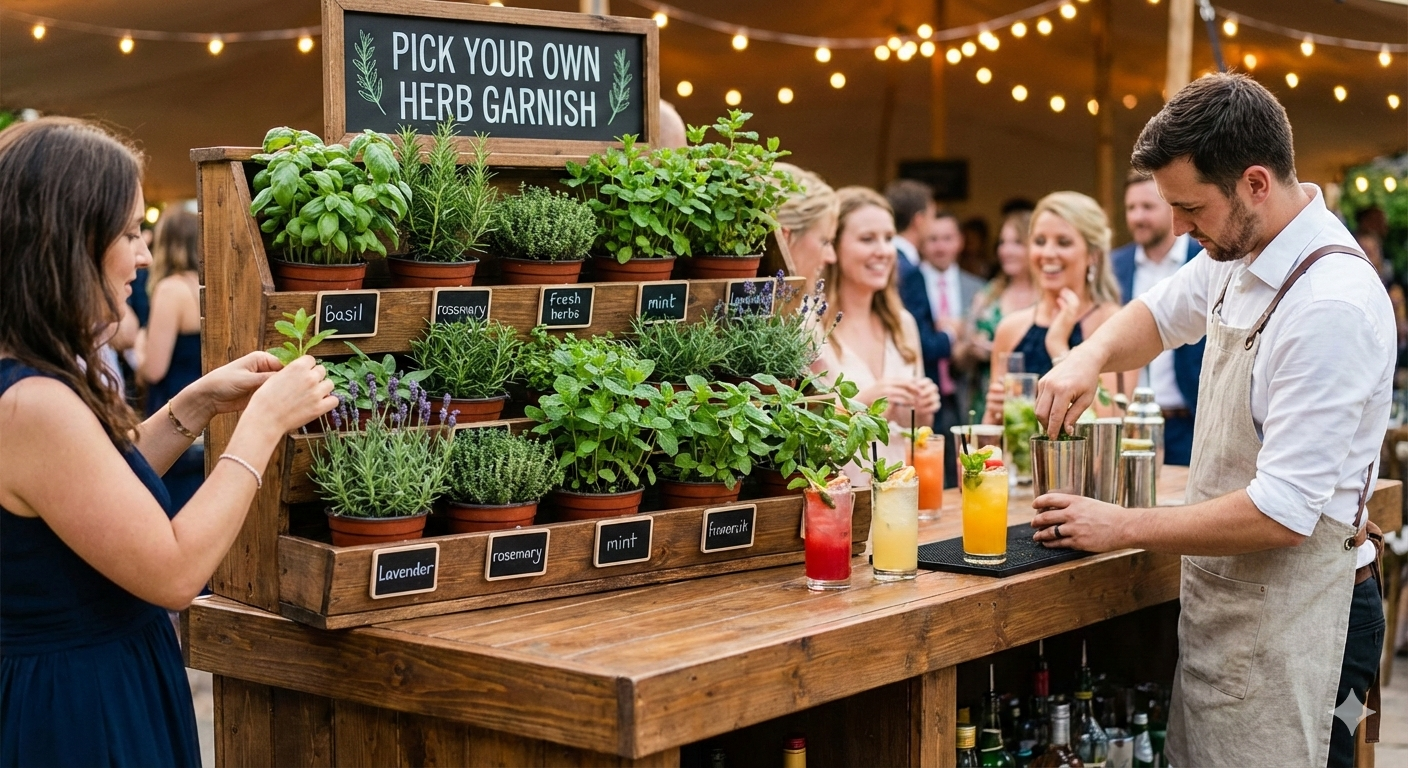
The Pick-Your-Own-Herb Bar: Imagine a lush, living wall of Thai basil, chocolate mint, and smoked rosemary. Guests don't just order a drink; they participate in it. They choose their botanical base, and our mixologists "muddle-to-order" right in front of them.
The Sensory Experience: We use dehydrated citrus wheels, elderflower ice cubes, and house-made cordials. It’s colorful, it’s aromatic, and—most importantly—it’s Instagrammable.
3. To the Venues: Own the "Social Currency"
If you own a venue, you aren’t selling a room; you’re selling a backdrop. Younger crowds spend money on what looks good on their feed and feels good in their memories.
The Opportunity: If your bar sales are lagging, increase your Experience ROI. Create "Sober Lounge Pockets"—areas designed for high-end conversation with aesthetic lighting and signature non-alcoholic flights. Give them a reason to stay that doesn't involve a hangover.
Adaptability is the New Currency
The businesses that will thrive in 2027 and beyond are the ones that stop viewing the "non-drinker" as a lost sale and start viewing them as a new market. Whether you’re a vineyard owner or a wedding caterer, the challenge is the same: If they aren't coming for the buzz, they must be coming for the beauty, the craft, and the connection.
Stop waiting for the world to change back. Change the way you serve the world.
